Source Flexible Kitchen Herb and Spice Rack for cabinets, shelves, and countertops
Compare 30 Flexible Kitchen Herb and Spice Rack options from verified Chinese suppliers. These units feature metal construction, modern styles, and customizable sizes for organizing herbs and spices in various kitchen spaces.
Key considerations
Products List









Comprehensive Sourcing Guide
Strategic Sourcing Guide for Flexible Kitchen Herb and Spice Racks
Understanding Product Definitions and Core Specifications
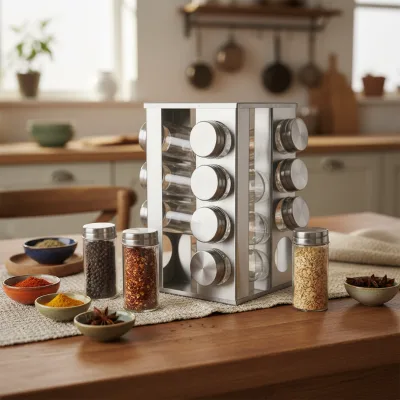
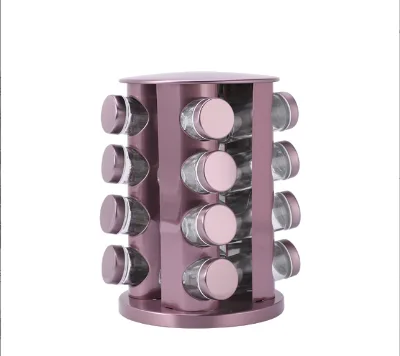
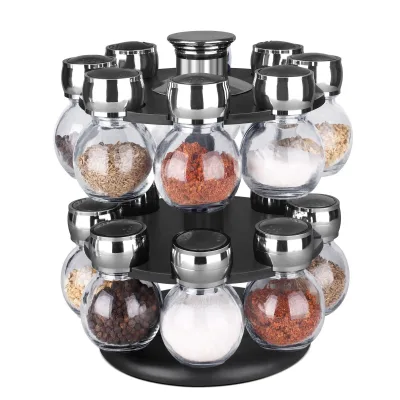
When initiating a procurement strategy for flexible kitchen herb and spice racks, buyers must first establish a precise understanding of the product's physical and functional definitions. The market presents a variety of configurations, ranging from static units to rotating mechanisms designed for high-density storage. Based on current market observations, these units are frequently categorized as non-folding racks, yet they often incorporate rotating elements to maximize accessibility within confined kitchen spaces. The primary material composition observed in high-volume listings is metal, specifically stainless steel grades such as #430, often combined with glass components for the storage vessels. This combination offers a balance between structural durability and aesthetic transparency, allowing users to identify contents quickly.
The physical dimensions of these racks vary significantly depending on the intended application. Standard specifications found in current inventory include a square rack footprint measuring approximately 14cm in length and width with a height of 24.5cm. The accompanying storage vessels, typically 100ml powder bottles, measure 4cm in diameter and 10cm in height. However, buyers should note that "Can Be Customized" is a prevalent attribute for both size and standard specifications. This flexibility allows procurement teams to tailor the rack to specific cabinetry depths or shelf heights. The thickness of the metal framework is a critical specification, with observed values around 0.5mm, which influences the overall weight and structural rigidity. Single package sizes for these units typically range around 23cm by 23cm by 29cm, a factor that directly impacts logistics planning and freight cost calculations.
Technical Configuration and Customization Capabilities
The technical architecture of a flexible spice rack is defined by its ability to adapt to user needs while maintaining structural integrity. A key differentiator in this category is the customization of the logo and branding. Many suppliers offer OEM customization, allowing buyers to apply their brand identity directly onto the metal surfaces or packaging. This is particularly relevant for private label strategies where the visual presentation is as important as the functional utility. The product style is predominantly modern, characterized by clean lines and a silver finish that complements contemporary kitchen aesthetics.
Disassembly is another technical consideration. The observed data indicates that these units are generally "Undisassembly" products, meaning they are shipped as a single assembled unit or in a configuration that does not require complex on-site assembly by the end-user. This reduces the risk of damage during transit and simplifies the unboxing experience. The "Folded" attribute is listed as "Unfolded," suggesting that while the term "flexible" might imply collapsibility, the primary market offering is a rigid, stable structure rather than a folding mechanism. This distinction is vital for buyers who require permanent or semi-permanent installation solutions versus temporary storage options.
The customization of the standard is a significant feature for B2B buyers. While standard dimensions exist, the ability to modify the standard allows for the creation of unique product lines. For instance, the capacity of the individual containers can be adjusted, with 100mL being a common baseline, but the overall rack structure can be scaled to accommodate different bottle sizes. The "Multifunction" advantage suggests that these racks are designed to serve multiple roles, such as holding both dry spices and wet condiments, or fitting into various cabinet configurations including under-cabinet or shelf-mounted installations.
Cost Drivers and Pricing Dynamics
The pricing structure for flexible kitchen herb and spice racks is influenced by a complex interplay of material costs, customization levels, and order volume. The observed price range in the market spans from $0.28 to $15.00 USD per unit. This wide variance is not indicative of quality differences alone but rather reflects the spectrum from basic, unbranded stock items to highly customized, premium-finished units with complex packaging. The lower end of the price range typically corresponds to standard models with minimal customization, while the upper end includes units with specific branding, unique dimensions, or specialized packaging requirements.
Order volume is a primary driver of unit cost. The Minimum Order Quantity (MOQ) for these products varies significantly, with observed ranges from 50 to 3000 pieces. A specific data point indicates an MOQ of 100 pieces for certain configurations, while others require 1200 pieces. This disparity suggests that suppliers segment their offerings based on production complexity. Smaller MOQs are often associated with "Stocked" items that are readily available for immediate shipment, whereas larger MOQs are tied to custom production runs. Buyers must align their order quantities with their inventory turnover rates to avoid tying up capital in excess stock or incurring high per-unit costs due to small batch production.
Packaging also plays a role in cost determination. The observed packaging options include white boxes, brown cartons, and single-item packaging. The choice of packaging material and design can add a significant percentage to the final landed cost. For example, a "Carton Box" with custom branding will cost more than a standard "Single" package. Additionally, the weight of the product, with a single gross weight observed at 2.500 kg, impacts shipping costs. Heavier units made of thicker metal or glass will incur higher freight charges, which must be factored into the total cost of ownership.
Compliance, Certification, and Safety Standards
When sourcing kitchenware, particularly items intended for food contact, compliance with safety standards is non-negotiable. While the provided data does not explicitly list specific certification numbers, the "Eco-Friendly" attribute suggests that some manufacturers adhere to environmental standards regarding material sourcing and manufacturing processes. Buyers should verify that the metal used, such as #430 stainless steel, meets food-grade safety requirements to prevent corrosion or leaching of harmful substances into spices and herbs.
The "New" condition of the products is a baseline requirement, ensuring that buyers receive fresh inventory rather than refurbished or used goods. However, beyond the condition, buyers must actively verify compliance with international food safety regulations relevant to their target markets, such as FDA regulations in the United States or EU food contact regulations. The "Can Be Customized" standard attribute implies that the product may be adapted to meet specific regional standards, but this requires explicit confirmation from the supplier.
It is crucial to note that the "Undisassembly" nature of the product simplifies compliance testing in some respects, as there are fewer moving parts to fail or contaminate. However, the glass components used in the bottles must also be verified for safety, ensuring they are tempered or treated to prevent shattering. Buyers should request documentation confirming that all materials in contact with food are non-toxic and durable. The "Feature: Stocked" attribute indicates that some items are ready for immediate sale, but this does not inherently guarantee compliance; verification of test reports and material safety data sheets (MSDS) remains a necessary step in the procurement process.
Supplier Evaluation and Geographic Considerations
The geographic origin of the product is a significant factor in supplier evaluation. The data indicates that these racks are primarily manufactured in China, with specific origins noted in Jiangsu and Guangdong provinces. Jiangsu is known for its advanced manufacturing capabilities, while Guangdong is a hub for metalworking and glass production. This concentration of supply in specific regions can offer buyers access to specialized expertise and efficient logistics networks. However, it also means that buyers should be aware of potential supply chain disruptions related to regional events or policy changes.
Supplier evaluation should extend beyond the basic "Brand Name" or "Guanying" or "MX" labels observed in listings. Buyers should look for suppliers who demonstrate transparency in their production processes and are willing to provide samples for quality assessment. The "Customized" and "OEM Customization" attributes indicate that many suppliers are capable of adapting to specific client needs, but the extent of this capability varies. A robust supplier will have a clear process for handling custom orders, including design validation, prototyping, and quality assurance checks.
The "Small Orders: Accepted" attribute is a positive indicator for buyers testing the market or managing inventory carefully. It suggests a level of flexibility in the supplier's operations. However, buyers must balance this convenience against the potential for higher unit costs associated with smaller batches. Evaluating a supplier's ability to scale production is essential for long-term partnerships. The "Delivery Time" of 15-30 days is a standard range observed, but buyers should confirm lead times for custom orders, as these may extend beyond the standard window.
Quality Control and Long-Term Procurement Strategy
Implementing a rigorous quality control (QC) protocol is essential for maintaining product integrity. Given the "Undisassembly" nature of the racks, QC should focus on the structural integrity of the metal frame, the finish quality of the silver coating, and the clarity and safety of the glass bottles. The "Thickness: 0.5mm" specification requires verification to ensure that the metal is not too thin, which could lead to bending or warping under load. Visual inspection for scratches, dents, or uneven finishes is a critical step before shipment.
For long-term procurement, buyers should consider the durability of the "Eco-Friendly" materials and the "Modern" style against wear and tear. The "Multifunction" advantage implies that the rack will be used frequently, so the hinge mechanisms (if any) and the stability of the base must be tested for longevity. Establishing a relationship with a supplier who offers consistent quality over time is more valuable than finding the lowest price for a single order. The "Carton" and "Brown Carton" packaging options should be evaluated for their ability to protect the product during transit, as damage during shipping can negate the value of a high-quality product.
Buyers should also plan for the lifecycle of the product. The "Customized" nature of the logo and size allows for brand evolution, but it also requires careful management of inventory to avoid obsolescence. Maintaining a buffer stock of standard components while customizing specific elements can provide a balance between flexibility and efficiency. Regular audits of supplier performance, including adherence to lead times and quality standards, will ensure a smooth procurement process. By focusing on these strategic elements, buyers can secure a reliable supply of flexible kitchen herb and spice racks that meet both functional and aesthetic requirements.
Application Scenarios and Market Fit
The primary application for these racks is in the storage of herbs and spices, as indicated by the "Usage: Spice" and "Usage: Herb & Spice Tools" attributes. The "Kitchen rotating spice rack" and "Under Cabinet Spice Rack" keywords highlight the versatility of these products in various kitchen layouts. They are particularly suitable for modern kitchens where space is at a premium, and the "Modern" style aligns with current interior design trends. The "Square rack" design with specific dimensions makes them ideal for fitting into standard cabinet shelves or under-cabinet spaces.
The "Common" shape and "Silver" color suggest a neutral aesthetic that fits a wide range of kitchen decors. The "Advantage: Multifuction" indicates that these racks can be used for more than just spices, potentially holding small kitchen tools or condiments. This versatility increases the value proposition for end-users. The "Stocked" feature ensures that these products are readily available for immediate deployment in retail environments or direct-to-consumer sales.
For B2B buyers, understanding the end-user context is crucial. The "100mL Capacity" of the bottles is suitable for standard spice quantities, but the ability to customize size allows for adaptation to different culinary needs. The "Non-folding rack" classification ensures stability, which is a key requirement for items stored in cabinets where they may be subjected to movement or vibration. By aligning the product specifications with the specific needs of the target market, buyers can maximize the commercial potential of these flexible kitchen storage solutions.
FAQs
Can I customize the logo on the spice rack?
Yes, OEM customization is available for the logo on these racks. Suppliers offer options to apply your brand identity directly onto the metal surfaces or packaging, which is ideal for private label strategies.
What is the minimum order quantity for these racks?
The minimum order quantity varies between 50 and 3000 pieces depending on the specific configuration. Some standard stock items may require as few as 100 pieces, while custom production runs often start at 1200 pieces.
How long does delivery take for these spice racks?
The standard delivery time ranges from 15 to 30 days. This lead time applies to most configurations, though custom orders may require additional time for production and quality assurance before shipment.
What materials are used to construct these racks?
The racks are primarily constructed from metal, specifically #430 stainless steel, often combined with glass components for the storage vessels. This combination ensures structural durability while allowing users to identify contents quickly.
Are these racks available in a folded configuration?
No, the observed products are listed as unfolded and are classified as non-folding racks. They are designed as rigid, stable structures rather than collapsible mechanisms, making them suitable for permanent or semi-permanent installation.
What is the capacity of the storage bottles included?
The storage bottles typically have a capacity of 100mL. The standard dimensions for these powder bottles are 4cm in diameter and 10cm in height, fitting within the square rack footprint of 14cm by 14cm.